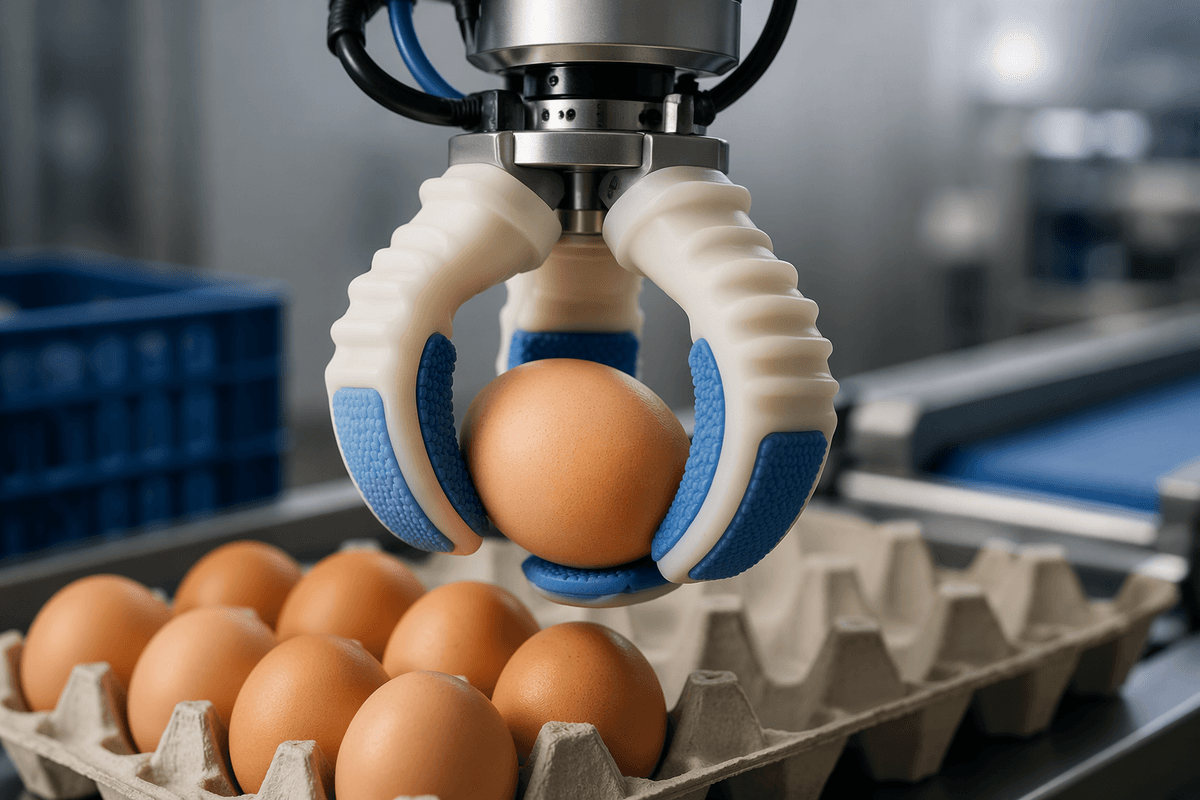
Why robots struggle with rigid, pre-programmed task instructions
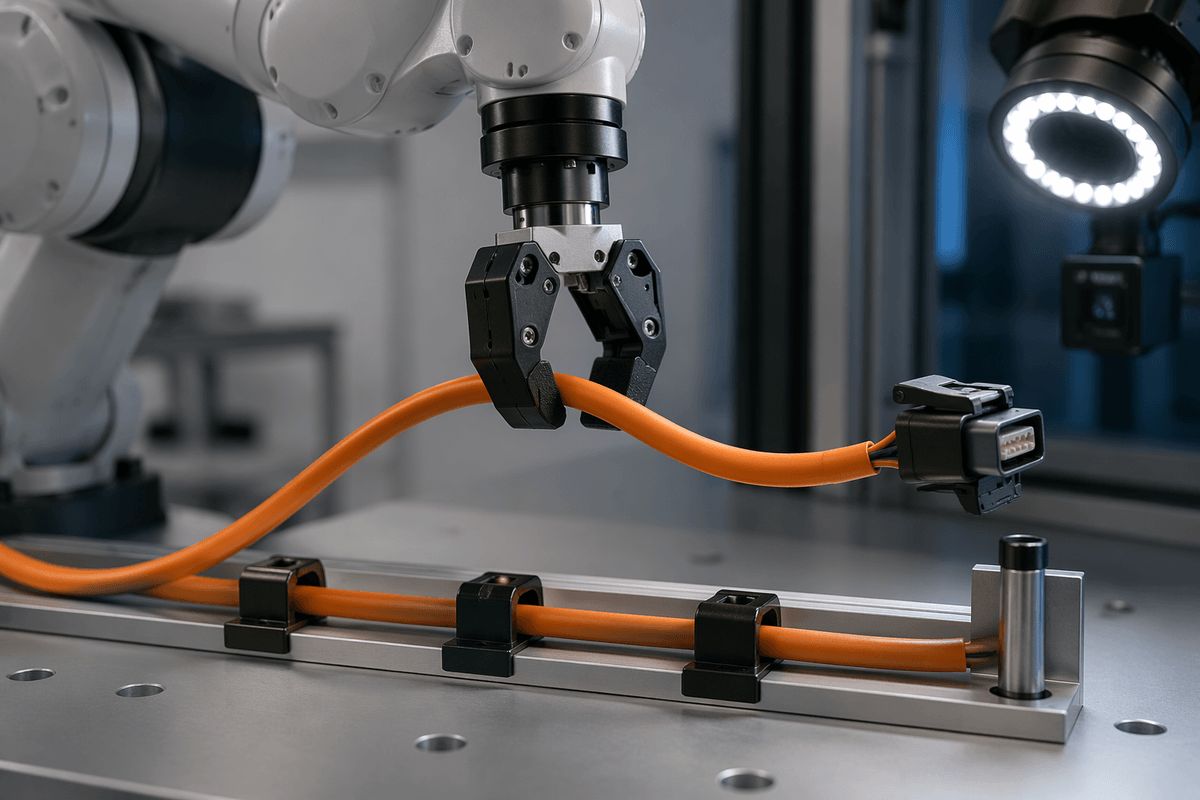
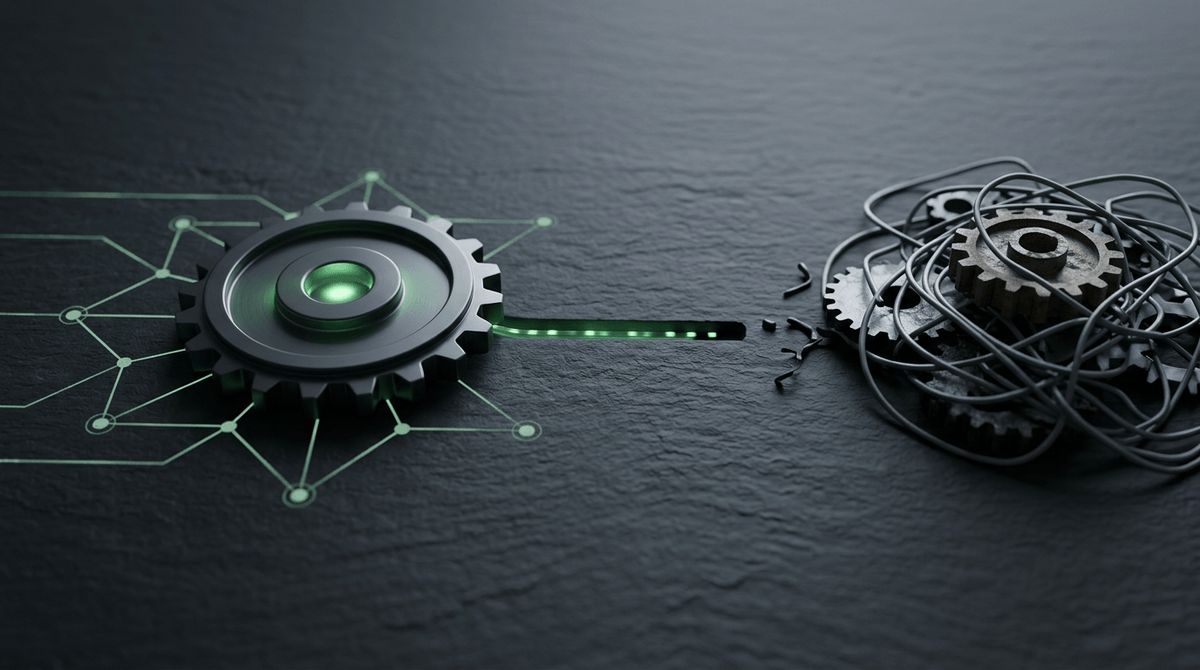
Many robot demos look impressive until one small detail changes: the object is rotated, the lighting shifts, a drawer sticks, or the table is a few centimeters off. Rigid, pre-programmed instructions tend to assume the world will match the setup the programmer tested. In real environments, that assumption breaks quickly, and the robot can’t “reason” its way back to success—it only executes what was specified.
The practical burden shows up in the engineering loop. Each edge case becomes a new rule, sensor threshold, or state transition, and these rules interact in messy ways. Debugging often means reproducing a physical failure, collecting logs, and iterating slowly because hardware time is limited and wear is real. The result is brittle behavior: high reliability in one narrow configuration, then sudden failure outside it.
Even when a task can be scripted, the script rarely captures the intent. “Put the cup in the sink” becomes a long list of assumptions about grasp points, obstacles, sink geometry, and what to do if the cup is already wet or partially blocked. This gap between human goals and robot instructions is why teams look to language—not as magic, but as a way to specify intent and adapt behavior without rewriting the world into rules.
What “natural language commands” mean in real robot workflows
In practice, “natural language commands” rarely mean a robot hears a sentence and immediately moves. They usually act as a flexible interface on top of a controlled workflow: an operator types “clear the table” or “pick the red mug and place it in the sink,” and the system maps that request onto a known set of tasks, objects, and places it can already recognize and reach. The language is useful because it compresses intent into a form that’s easy to change without editing code.
Most deployments treat language as one signal among many, not the source of truth. A command might be grounded against a scene model (“which mug is red?”), checked against constraints (“is the sink reachable?”), then expanded into steps the robot can execute. The limitation is that if the world model is wrong or the command is underspecified, the robot still fails—just with a friendlier front end.
When evaluating a demo, the key question is what the language actually controls. Does it select among prebuilt skills, fill parameters (object, location, order), or generate new action sequences? Each level increases flexibility, but it also increases the cost of verification, the need for data, and the risk that a plausible-sounding interpretation leads to unsafe or simply incorrect behavior.
How language turns into actions: plans, skills, and policies
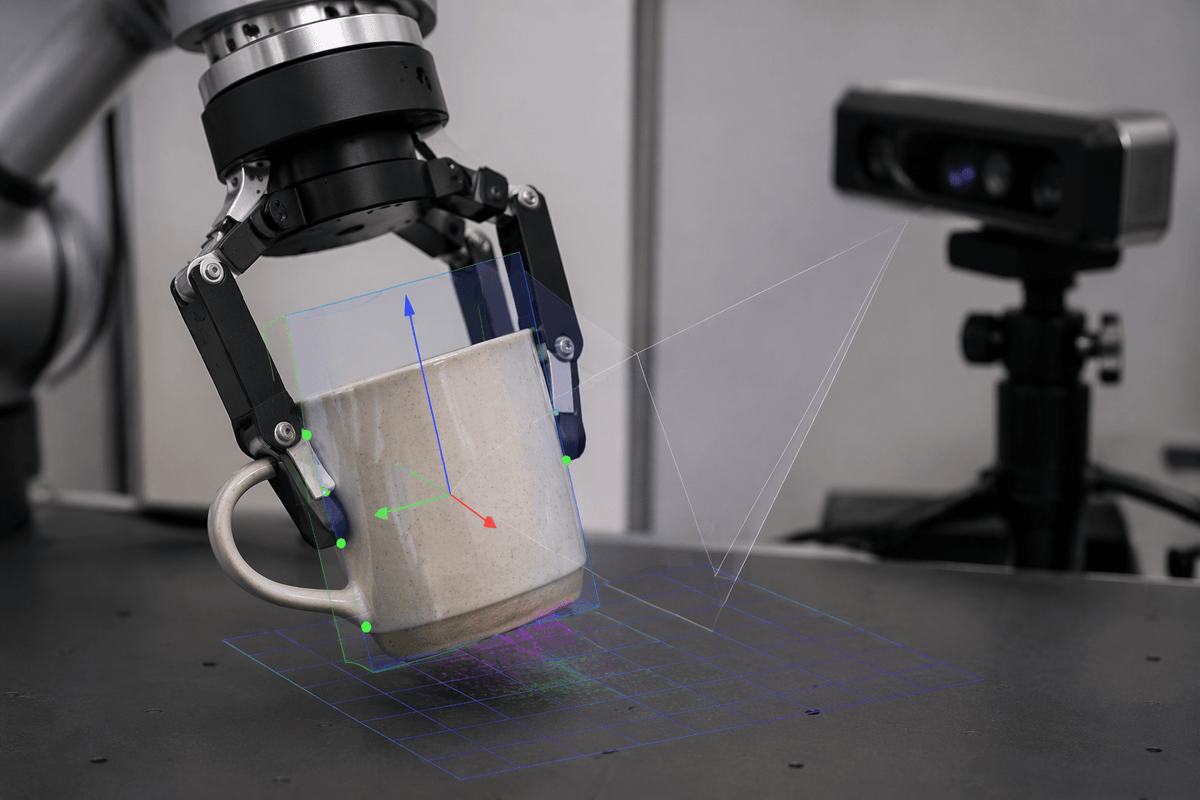
A useful way to understand “language to action” is as a stack. At the top, the system turns a sentence into a plan: a sequence like “find mug → grasp → navigate to sink → place.” This planning layer can be symbolic (task graphs), learned (LLM-style planners), or a mix, but it mainly decides what should happen and in what order.
Plans only work if they call reliable skills. A “grasp” skill might include perception for pose estimation, a controller for closing the gripper, and recovery steps if contact slips. Language often just binds parameters—which mug, where to place it—while the skill handles the messy physics. The more a demo leans on mature skills, the more repeatable it tends to be.
At the bottom are policies: mappings from observations to motor commands, often learned from data. Policies can be fast and robust in a narrow regime, but they’re expensive to train and hard to certify. If the language layer invents a new step the skill library can’t execute, you get a plan that reads well and fails on the floor.
Why language can improve learning speed and generalization
The common bottleneck in robot learning is the “everything is a new task” problem. Without language, a system may treat “put the red mug in the sink” and “put the blue mug in the sink” as different behaviors that each need separate data. With language, those tasks share a description structure (object, attribute, destination), so the robot can reuse experience across many variants. That can reduce the number of demonstrations needed, because the model gets a compact hint about what matters and what can change.
Language also helps when the reward signal is fuzzy. If you can label episodes with short text like “grasp too high,” “hit the rim,” or “placed on counter,” you turn raw rollouts into more informative training data. It becomes easier to learn policies that generalize to new objects or layouts by tying observations to concepts such as “inside,” “on top of,” or “avoid.” This only works when the words are grounded in stable perception and consistent feedback; collecting those labels and keeping them aligned across environments is real cost, not a free upgrade.
Data and feedback: demonstrations, corrections, and self-supervision
A practical learning setup often starts with demonstrations: a person teleoperates the robot or kinesthetically guides an arm through the motion, then the system pairs those trajectories with a short instruction like “place the mug in the sink without touching the faucet.” That language becomes metadata the model can reuse across many slightly different scenes, but the expensive part is coverage. Edge cases still require more demos, and collecting them ties up hardware, operators, and lab time.
Corrections are usually the cheaper feedback loop. Instead of re-demonstrating, an operator can say “use the other hand,” “approach from the side,” or “that’s the wrong mug,” and the system stores the failure context plus the fix. This can work well when the robot already has a competent skill and just needs better parameter choices. It’s less effective when the underlying perception is wrong, because the correction targets the plan while the sensors keep misidentifying the scene.
Self-supervision fills gaps when labeled data is scarce. Robots can collect large amounts of “interaction data” by trying safe motions, predicting outcomes (will it slip, did the drawer open), and using consistency checks between vision, touch, and state estimates. The data collected in one workspace often fails to transfer cleanly to new lighting, clutter, or wear, so teams still spend time curating datasets and validating what the robot is actually learning.
Reliability and safety: ambiguity, hallucinations, and constraints
The moment you let language influence behavior, you inherit language’s messiness. People routinely give underspecified commands (“put that over there”), use local shorthand (“the good mug”), or change their mind mid-task. A robot needs a policy for ambiguity that doesn’t guess aggressively: ask a clarifying question, point and confirm, or choose a conservative default. The key reliability test is whether the system can detect it’s uncertain—about the object, the location, or the success criteria—and reliably pause rather than improvise.
“Hallucination” shows up when a language model produces a plausible plan that isn’t grounded in the robot’s actual capabilities or the sensed scene: referencing a drawer that isn’t there, assuming a tool exists, or inventing a step like “unscrew” when no end-effector can do it. That’s why production systems typically restrict what language is allowed to do: it selects from a vetted skill library, fills parameters, and operates inside hard constraints like keep-out zones, force limits, speed caps, and human-presence rules. Those constraints cost time to engineer and maintain, and they can reduce flexibility, but they’re what turn a fluent interface into behavior you can defend in front of a safety review.
Choosing an approach: from prototypes to production deployments
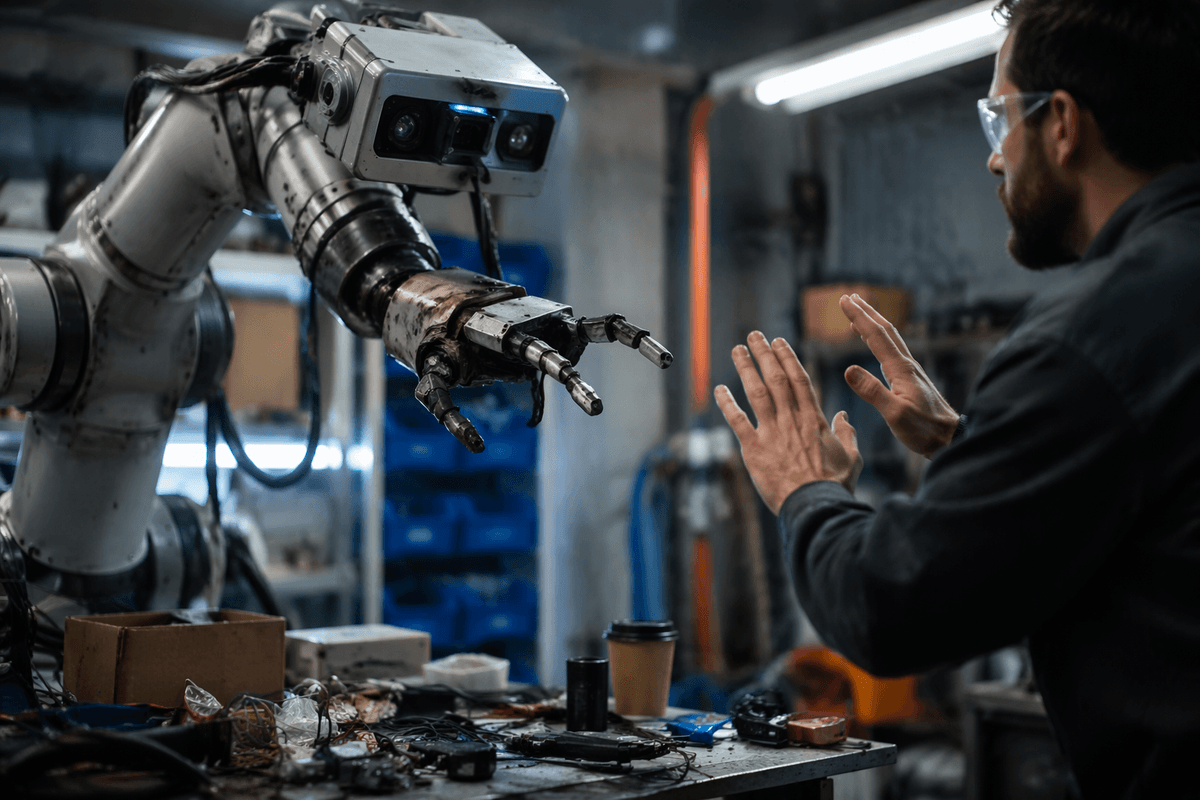
A familiar pattern is a prototype that “works” with a skilled operator and a forgiving setup, then falls apart when handed to a broader team. For early demos, it’s often enough to let language choose among a small set of reliable skills and fill obvious parameters (object, destination, order). This keeps failure modes legible: when it fails, you can usually trace it to perception, a skill boundary, or a missing constraint, rather than an opaque chain of generated steps.
Moving toward production is mostly about narrowing what language is allowed to decide. Teams typically add a task schema (allowed verbs, objects, locations), a grounding layer that must match the sensed scene, and a recovery policy that prefers “ask/stop” over “guess.” You also start paying operational costs: logging and replay, regression tests across environments, calibration drift, and “minor” site differences like lighting, reflectivity, and worn grippers. If a vendor claims open-ended language control, ask what is actually open-ended: the wording, the plan, or the low-level actions—and what happens when the system is uncertain.
Where natural language fits today—and what to try next
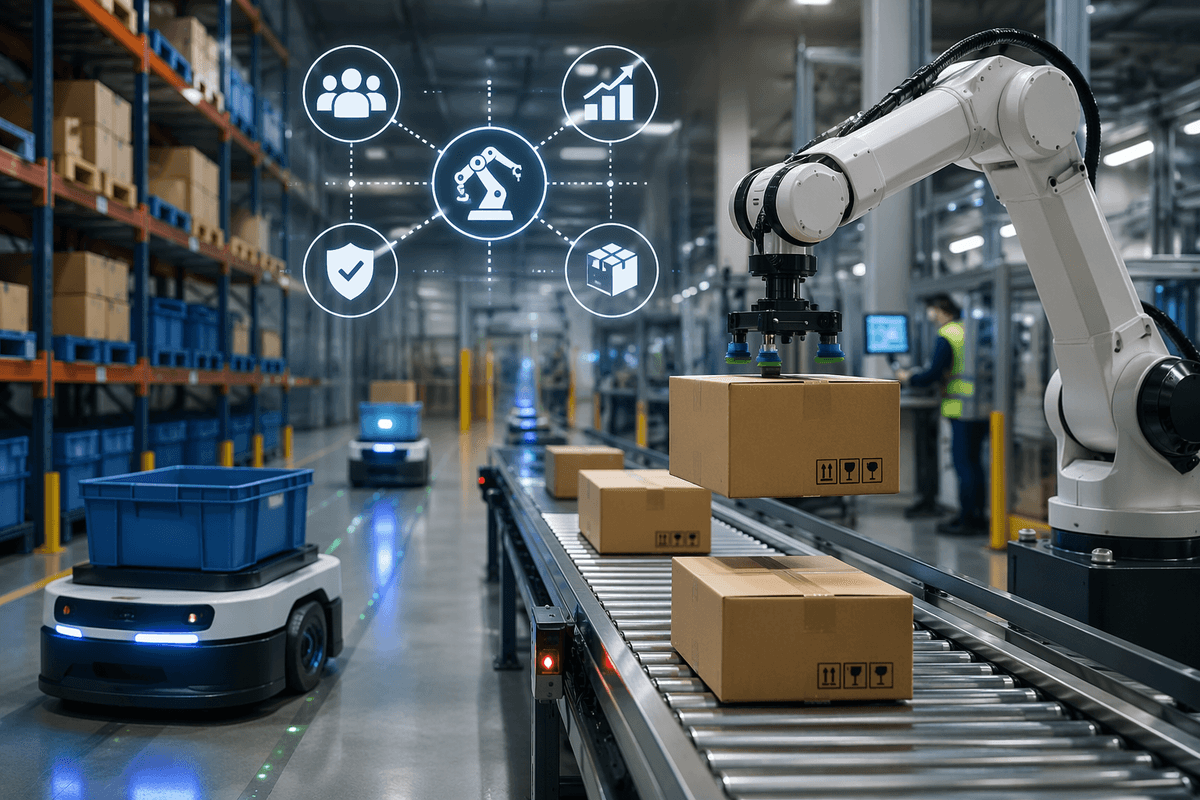
The practical place for natural language today is as a controlled “intent layer” over a small, well-tested skill set: pick/place, open/close, simple inspection, and recovery actions like “stop” or “back up.” It works best in structured spaces (labs, warehouses, factories) where objects are known, lighting is managed, and there’s a reliable way to confirm what the robot thinks it sees. In homes or messy public spaces, the same interface can still help, but you should expect more clarification questions, more fallbacks, and more operator oversight.
When you try it, start by constraining the vocabulary and the environment, then expand one axis at a time. Treat “understands language” as a claim you can test: can it point to the referenced object, explain the planned steps in plain terms, and refuse unsafe requests? Ask what happens under sensor drift, occlusion, or a missed grasp, and what it costs to keep performance stable (data collection, regression tests, site calibration, hardware wear). If the system can’t reliably detect uncertainty and pause, it’s not ready for open-ended commands—no matter how fluent the demo sounds.