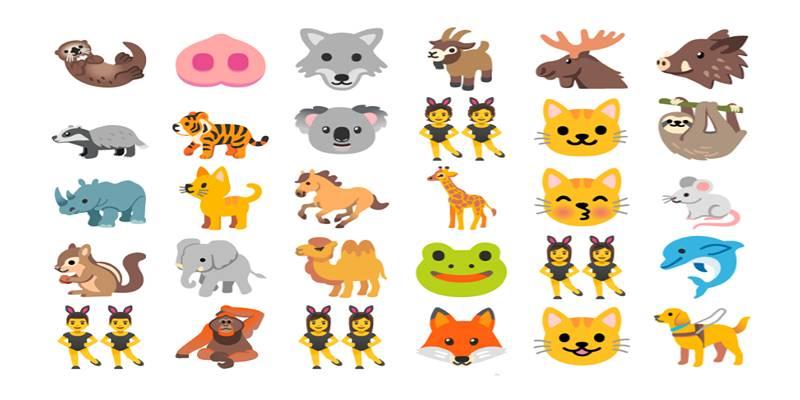
Finding the right emoji should feel effortless. People want to express themselves in their own words, without guessing keywords or switching languages. A semantic emoji search engine makes this possible by focusing on meaning rather than matching letters.
It converts both user input and emoji descriptions into shared vector representations, allowing quick comparison based on intent. Each emoji is indexed using its name, description, and phrasing, then stored in a compact format. The system processes the query once, compares it to the index, and returns the most relevant results.
This approach replaces rigid rules with a single flexible pipeline, keeping emoji search accurate, multilingual, and consistent no matter how users phrase their thoughts.
Language Coverage Strategy
One multilingual embedding model keeps implementation lean and outcomes consistent. A shared model helps similar meanings written in different languages land near one another, which supports cross-language retrieval without language-specific pipelines. This reduces maintenance, simplifies testing, and avoids uneven performance where some languages feel second-class. Ongoing evaluation across many languages guards against drift and keeps the experience fair.
Emoji Text Catalog
Good search depends on good text. Short names alone are often too vague, so each emoji benefits from a concise, everyday description written in plain language. Wording should reflect common intent, typical tone, and broad context while staying neutral. Phrasing should be consistent across the catalog so the model receives steady signals. Clear, simple text reduces noise during embedding and improves the quality of the nearest matches.
Handling Variants And Nuance
Variants such as tone, gender, and direction should not fragment the index. A base concept is used for retrieval, while personalization applies afterward based on user settings. This keeps the search focused on meaning and applies preferences without changing results for others. Descriptions for regional or sensitive symbols should remain balanced and general. The aim is to reflect common intent without leaning on culture-specific details.
Ranking And Scoring
Vector similarity provides a strong first pass. A light ranking layer can add signals such as regional selection rates, historical interaction data, and gentle seasonality. A small, transparent model combines these features into a stable score that is easy to inspect. Transparency helps teams diagnose odd results, communicate changes, and adjust weights without guesswork. Ranking should favor clarity and predictability over aggressive churn.
Performance And Reliability

Speed shapes trust. Keep the index in memory, compress vectors, and reuse model sessions to avoid cold starts. Cache frequent queries and precompute popular pairs where it helps. Batch embeddings to reduce overhead. For mobile, a compact on-device model with a bundled index supports instant responses and graceful behavior in poor connectivity. Observability should track latency, throughput, and error patterns so issues surface early.
Friendly Search Experience
The interface should invite natural phrases. A single input bar works best. Live suggestions can guide users toward clearer wording without feeling pushy. If you detect a language from past use, keep it unless the user changes it.
Present a steady grid of results so eyes know where to land. Include a small row of related moods under the main picks. People often shift from happy to proud or from sad to tired as they refine their feelings. Smooth micro-interactions reduce friction more than flashy effects.
Ambiguity Handling And Feedback
Some queries carry multiple intents. Confidence thresholds decide when to ask for a short hint rather than guessing. Brief, friendly prompts help users clarify meaning with one action. Those signals feed the ranking layer in aggregated form and improve future results. The tone of prompts should feel helpful and calm. Feedback loops should be designed to learn without creating friction or drawing attention away from the task.
Privacy And Data Practices
Privacy is part of product quality. Collect only what is needed to improve the experience. Aggregate clicks and skips for ranking rather than storing raw text longer than necessary. When logs are reviewed, remove personal details and avoid keeping sensitive terms. Provide clear settings and documentation that explain what is collected, how it is used, and how to opt out. The system should treat all inputs with care.
Evaluation And Metrics
Quality requires repeatable checks. A multilingual test set with natural phrases and expected groups allows steady measurement across languages. Track recall at high ranks, time to first selection, selection changes, and satisfaction signals where available. Fairness checks should watch defaults, tone handling, and gendered variants. Reports should be written in plain language so insights are shared across engineering, design, and support.
Maintenance And Updates
Change is constant. When standards add new emojis, add clear descriptions, expand language coverage, and re-index. When the embedding model updates, run side-by-side tests on the same queries to compare movement in the top ranks.
Keep a lightweight playbook that describes how to write descriptions, how to translate phrasing styles, and how to review ranking shifts. Small, consistent routines prevent drift and reduce surprises.
Accessibility And Inclusion
The picker should work well for everyone. Provide alt text that reads the emoji name and a brief meaning. Respect high contrast and reduced motion settings. Avoid color-only signals for states or ranks. Let people set preferences for tone once, then apply them quietly. Testing with assistive tech and a broad range of users helps remove barriers and keeps the experience steady and welcoming.
Team Practices

Cross-functional rhythm improves quality. Engineers, designers, and language specialists should review releases together, using a shared checklist. Regular audits of catalog text, ranking performance, and accessibility guard against regressions. Documentation should be short, current, and easy to find. Small, deliberate changes beat sweeping shifts that are hard to explain or undo.
Conclusion
A strong semantic emoji search is built on a clear idea, a shared multilingual model, and a tidy ranking layer. It depends on careful text, steady performance, and a calm interface that gets out of the way. With repeatable tests, simple maintenance, and respectful privacy practices, the picker becomes a quiet companion that helps people express themselves, across many languages, with speed and confidence.