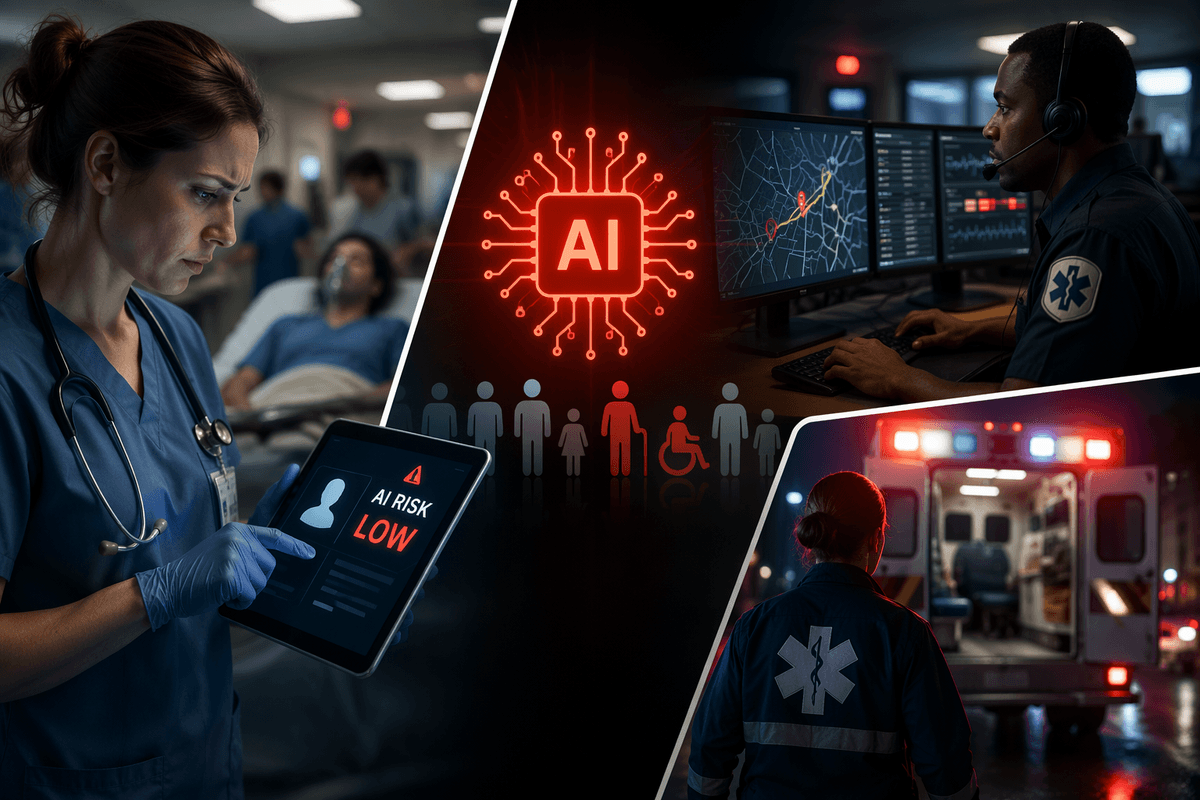
The AI Paradox: More Investment, Less Certainty

The investment in artificial intelligence is growing in organizations across the globe, though there is a general loss of confidence in their own AI strategies. It is a paradox because AI technologies are rapidly evolving, there is an existing gap between hype and practical use, and it is hard to quantify the actual business impact of AI. Organizations end up implementing AI projects that do not have precise strategic alignment, and as a result, they have haphazard initiatives that do not add significant value to the organization.
To be strategic about AI involves going past the technology to the underlying business issues that AI can address, the organizational capabilities necessary to do that successfully, and the quantifiable performance improvements that constitute success. It requires an unblinded evaluation of the prospects as well as the constraints of the existing AI technologies, in addition to a realistic appreciation of implementation problems and needs.
Saying What You Want to Build with AI
AI strategic clarity starts with identifying what AI is expected to achieve on behalf of your particular organization. This involves the relocation of generic dreams of becoming AI-driven to distinct, context-specific goals in line with business priorities. Organizations that succeed establish their AI ambition on a variety of dimensions: the specific business challenges AI will solve, the capabilities it will need to do so, and the anticipated influence on key performance indicators.
Outlining is also very important. Most organizations commit the fallacy of trying to be too focused (only marginal improvements with AI) or overly ambitious (seeking to remake the entire world at the same time). The best approaches find 2-3 high-impact areas where the AI would generate a significant competitive advantage and build underlying strengths that can be extended to other regions over time.
Developing Cohesion throughout the Company
The failure of AI projects is due to a lack of alignment in technical, business, and executive teams. The technical teams could seek intriguing issues that lack a definite business value, whereas the business leaders might anticipate the capabilities that are not yet available in technological capabilities. Executive leadership may think that AI is some magic solution without knowing what needs to be implemented and what restrictions may be involved.
Strategic clarity involves the establishment of a common understanding within these constituencies. This is translating the business goals into technical specifications, presenting AI capabilities in business language, and setting realistic expectations regarding the implementation timeframes and results. Thriving companies establish cross-functional AI steering committees that can have business unit representation, IT representation, data science representation, risk management representation, and executive representation.
The Measuring What Matters: Beyond Technical Metrics

Technical measures, such as model accuracy, training time, and inference speed, a couple of which are not closely linked to business results, dominate the AI field. To achieve strategic clarity, it is necessary to create measurement systems to align AI performance with business value. This involves the calculation of success based on better customer satisfaction, greater revenue, lower cost, or some other appropriate business measurements as opposed to technical standards.
Such measurement frameworks should consider direct and indirect impacts of an AI implementation. Direct impacts may be automation of particular processes or higher prediction levels. The indirect effects may involve alteration in employee productivity, customer behavior, or operations. These second-order effects are essential to the proper evaluation of the real impact of AI.
Development of Adaptive Implementation Roadmaps
The classic technology implementation practices are not always successful in AI projects because such projects are characterized by uncertainty and experimentation. The strategic clarity demands adaptive road maps that provide clarity and flexibility to learn and adapt to new circumstances. Such road maps are supposed to give milestones and milestones, but to leave room for how these milestones are to be achieved.
The best roadmaps take a progressive path that provides value at every stage as it develops the capacity to undertake more ambitious projects to come. They involve explicit learning cycles whereby teams can experiment, measure performance, and improve their approach based on the actual performance as opposed to assumptions. This cyclic model minimises risk and speeds up the learning and development of ability.
These roadmaps should also consider the development of the ecosystems. AI projects can also rely on third-party technologies, data, labour markets, and regulatory regimes, which are changing separately. Strategic clarity is the ability to realize these dependencies and have contingency plans in the case of various scenarios in terms of their evolution.
Browse through the Ethical and Risk Considerations
AI presents new ethical issues and risk profiles that are not well-positioned to be dealt with by most organizations. Strategic clarity stipulates that one has to be proactive in taking care of these considerations as opposed to considering them as an afterthought. This includes the creation of holistic frameworks of ethical AI development and deployment, such as parameters of fairness, transparency, accountability, and protection of privacy.
Risk analysis should not be limited only to technical failure but also to reputational loss, regulatory non-conformance, and unintended effects on society. Such studies require mechanisms for identifying any possible risks at an early stage of the development cycle and a process for mitigating them before they occur. This proactive risk management is fundamental in preserving stakeholder trust and compliance with regulations.
These are the ethical and risk considerations, which should be combined into the AI development process, as opposed to the compliance activities. This is achieved by adding ethical scrutiny points to the developmental processes, by instituting varied review boards with non-technical views, and by identifying clear responsibility for ethical results along with performance measures.
Developing Sustainable AI Abilities
Most companies take AI as a project at a time instead of creating long-term capabilities. Strategic clarity acknowledges that AI excellence demands the building of long-term organizational capabilities beyond one-off projects. These features are data infrastructure, model development processes, deployment pipelines, monitoring, and talent development programs.
The most effective companies strike the right balance between the development of internal capacity and the utilization of external capabilities. Non-differentiating capabilities are also partnered, and core competencies are developed in areas that are strategic to their business. This approach will be both quicker to implement and will allow keeping the necessary AI expertise inside the organization.
Sustainability also involves the development of AI-literate cultures in which the employees are aware of how to operate with AI systems and contribute to their enhancement. This comes with training programs that are not limited to technical teams but involve business users, managers, and executives. Those organizations that invest in general AI literacy have stronger results of AI programs and can adjust faster to emerging opportunities.
Conclusion: Clarity to Execution
Strategic clarity in AI is a continuous learning, adaptive, and refinement process rather than a single accomplishment. Those organizations that thrive using AI are organizations that have a clear strategic focus yet are flexible enough to learn new things and adapt to the dynamic environment. They strike a balance between big vision and realistic implementation, where delivering quantifiable value is at every step of their AI journey.
The way to AI maturity is patience, investment, and commitment from the leadership. Companies that build strategic focus on AI are in a position to not only introduce successful AI programs but also to adjust to the changing technology and uncover new opportunities as they arise. Strategic clarity is the base of long-term success and continued competitive edge in the fast-evolving AI environment.