Most of what we understand and react to—on screens, in books, or out in the world—comes through words and visuals. It's how we read meaning into street signs, how we know a cat meme when we see one, or how a phone camera tells a banana from a lemon. Vision-language models (VLMs) sit right at this intersection. These models are trained to link the two: what we see and how we describe it. It might sound like a neat trick, but it's far more than that.
Behind the curtain, there’s a system built to not just recognize images or understand sentences separately but to connect them in a way that’s surprisingly coherent. Whether it’s describing an image, answering a question about a scene, or generating pictures from prompts, VLMs do the heavy lifting. And they’re getting better at it.
What Are Vision-Language Models?
Let's keep it simple: a vision-language model combines visual data (images, videos) with text data (sentences, captions, labels) to understand or generate meaningful output. On one side, you've got a system that "sees." On the other hand, you've got one that "reads." The two parts are fused in a way that lets the model make sense of both at the same time.
For example, if you upload an image of a red bicycle leaning against a brick wall, a well-trained VLM won’t just say “bicycle.” It will say something more specific—“a red bicycle parked by a brick wall on a sunny day.” That’s the difference between pattern recognition and understanding context.
This sort of task isn’t handled by a single algorithm. Instead, it’s the product of a few key components working in sync:
Visual Encoder: Usually a neural network trained on images. It breaks down the image into features the system can understand.
Text Encoder: Processes the language side. It takes the text input and turns it into something the machine can match with the visual features.
Multimodal Fusion Layer: The heart of the operation. This layer blends both representations so that the model understands them together.
Decoder (optional): Used in tasks like captioning or image generation, where you want the model to produce something new.
This setup allows VLMs to perform a wide variety of tasks with accuracy that improves year over year.
How Vision-Language Models Are Trained
It takes more than just throwing some images and captions into a network and hoping for the best. Training a vision-language model usually happens in two main phases: pretraining and fine-tuning.
1. Pretraining
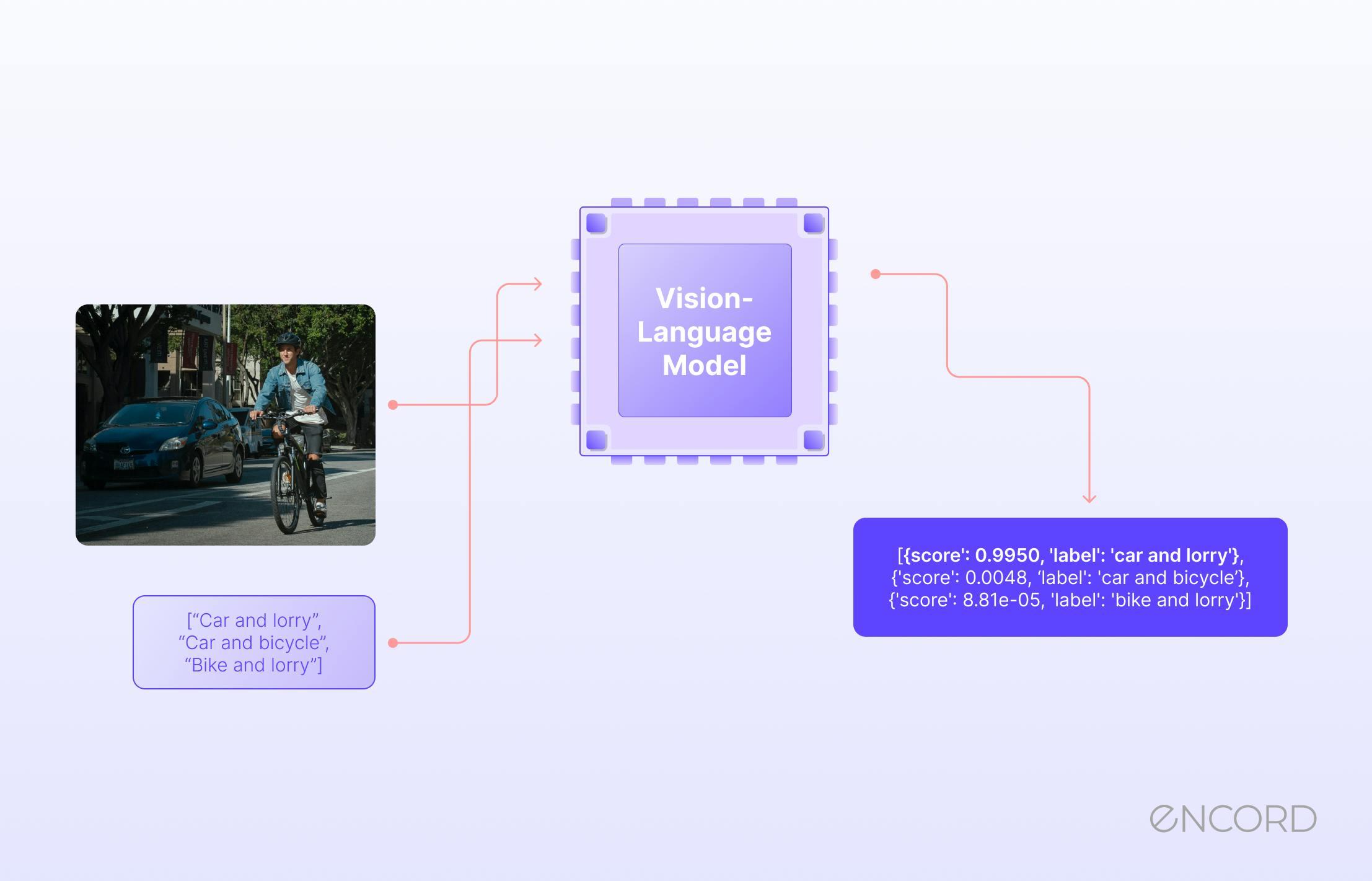
The model is trained on a massive set of image-text pairs. These aren’t always perfect captions, but rather rough associations. Think of web-scraped data—an image with an accompanying tweet, a product photo with a description. The goal here isn’t perfection; it’s volume. The model learns to align visual and textual features, making connections between them.
2. Fine-Tuning
Once the general knowledge is there, the model is refined on a narrower dataset tailored for specific tasks. Want to caption news photos? Feed it labeled examples. Want it to answer visual questions? Train it with those pairs. This tuning sharpens its performance and gives it the kind of reliability needed in actual applications.
A common pretraining objective is contrastive learning, where the model is taught to pull related image-text pairs closer together and push unrelated ones further apart. Another is masked modeling, where part of the text or image is hidden, and the model has to guess what’s missing. Both build a sense of semantic connection.
What Vision-Language Models Can Actually Do
The range of tasks these models can handle keeps growing. Unlike older systems that were trained separately on vision or text tasks, modern VLMs bridge the two with impressive results.
Image Captioning
This is one of the earliest and most familiar uses. The model generates a natural-language description of a given image. What once sounded robotic now comes across as surprisingly natural. Some systems can even adjust tone or detail level based on the prompt.
Visual Question Answering (VQA)
Show the model a picture and ask it a question. “What is the person doing?” or “How many apples are on the table?” These tasks test the model’s ability to not only understand the image but also reason about it in a linguistic framework.
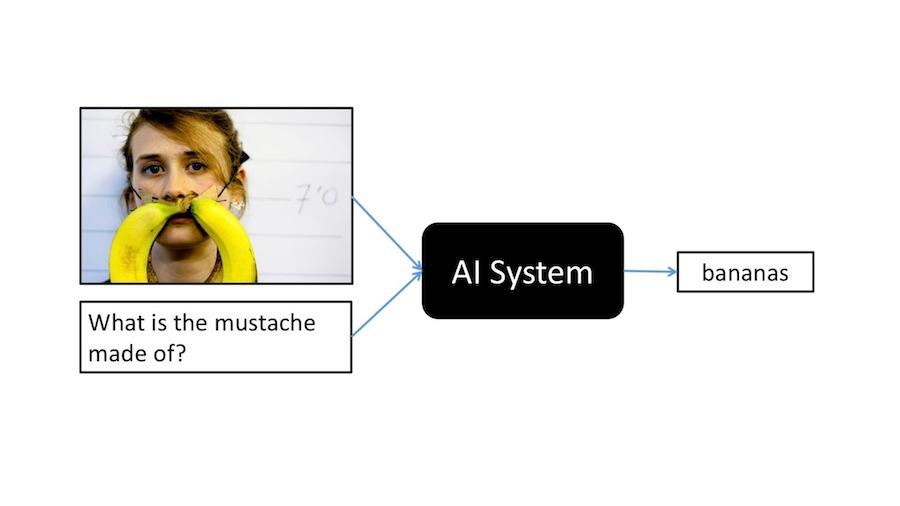
Image Retrieval Using Text (and Vice Versa)
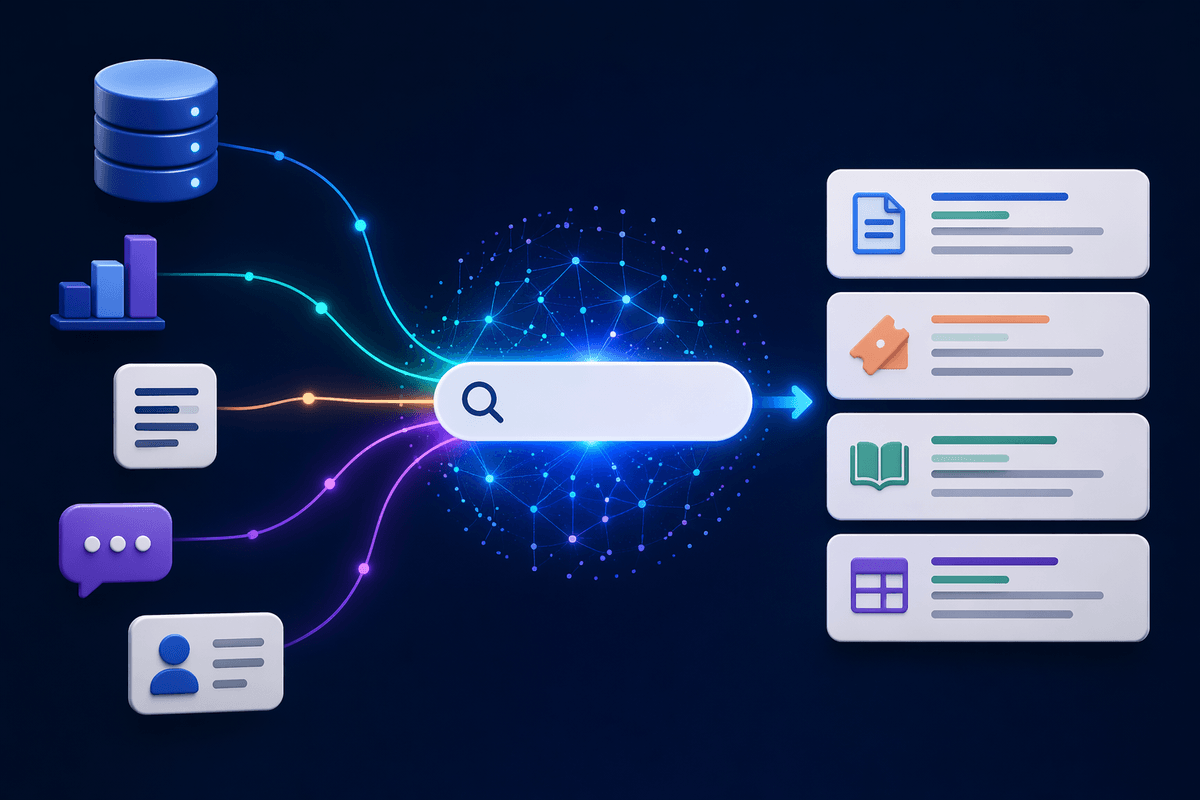
Type “a man playing guitar in the park,” and the model finds matching images. Or show an image and get related descriptions or tags. This is useful in search engines, digital asset management, and recommendation systems.
Image Generation from Text
Text-to-image generation systems like DALL·E fall into this category. They’re trained to visualize the contents of a prompt. These models lean more on generative components but still rely on tight alignment between vision and language.
Where Vision-Language Models Fit in Today’s Tech
This isn’t about hypothetical use anymore. VLMs are already behind several tools and products that people interact with daily, often without realizing it.
Search Engines: When you upload an image to look for a similar product or try a visual search, it’s likely powered by a VLM.
Accessibility Tools: Image descriptions for screen readers often come from captioning models, helping visually impaired users understand visual content.
Content Moderation: Automatically detecting inappropriate or misleading visuals and texts combined in an image—especially when intent matters—is something VLMs are getting good at.
Customer Support: Visual chatbots that can interpret images (say, a damaged product) and respond meaningfully are now feasible thanks to VLMs.
In Closing
Vision-language models aren't just an upgrade to existing systems—they represent a shift in how machines understand the world. By learning from both images and text at once, they move closer to the way humans interpret meaning across senses. That doesn't mean they're perfect, far from it. But they’re getting better—more accurate, more flexible, and more widely used.
Whether you’re building an app, designing an interface, or just trying to understand how your phone seems to "know" what you’re pointing at, VLMs are quietly doing the work. They’re not just looking. They’re understanding. And that makes all the difference.